
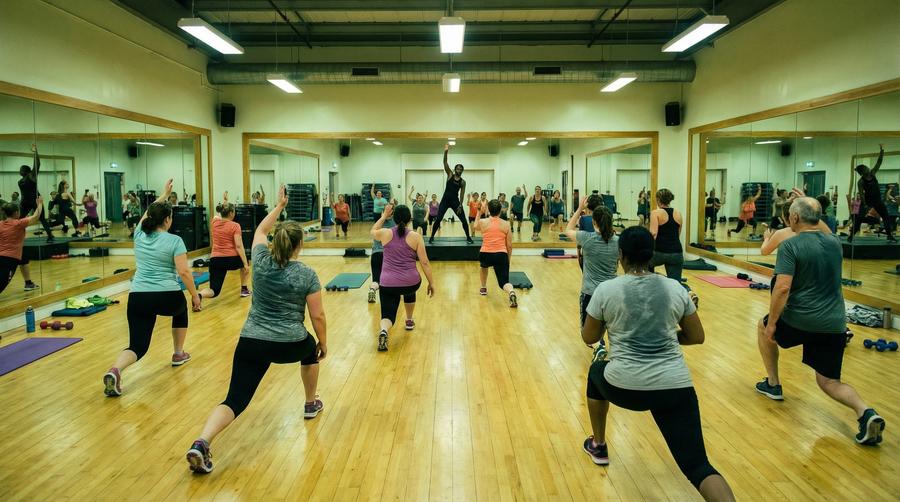
The HFA Show ran March 16-18 in San Diego. It’s the US fitness industry’s biggest annual gathering - hundreds of sessions, a packed trade floor, operators and suppliers from across the country.
A lot of the agenda was aimed at PE-backed chains: data optimization, AI-driven member outreach, supply chain disruption. If you run a mid-sized club or studio, you can tune most of that out.
But a few threads from this year’s program are worth paying attention to, especially if group fitness is central to your business.
1. HVLP Growth Is Raising the Bar for What Members Expect
High-volume, low-price gyms are posting visitation rates 22% above pre-pandemic levels, according to data presented at HFA 2026. Planet Fitness, EoS, VASA - that segment is growing fast.
What’s driving it isn’t surprising: low barrier to entry, accessible price points, no-judgment positioning. But here’s the implication for operators who offer group fitness: HVLP clubs typically don’t include group classes in the base membership. Classes are an add-on, priced separately.
That model is training members to think of group fitness as a premium they’re actively choosing to pay for. Which means every class you run is competing for that decision.
If someone is paying extra to be in your class, the bar for “worth it” has gone up. A mediocre session with inconsistent instruction and flat energy doesn’t justify the premium. The baseline expectation is shifting even at full-service clubs.
What to do: Ask yourself honestly - if your members had to pay an extra $15 per class, which classes on your current schedule would they keep booking? That’s your benchmark. Schedule and coach decisions should follow it.
2. The Pilates Boom Has a Quality Problem
The HFA session on Pilates opened with a clear signal: “As the popularity of Pilates expands at a rapid pace, questions of quality and credibility have become increasingly relevant.”
That’s a real pattern, not a throwaway line. Formats explode in demand, studios rush to add them, instructors get pushed through abbreviated certifications, and the quality floor drops. We saw it with HIIT in the mid-2010s. Pilates is in that cycle now.
For operators, there are two sides to this. The business case is clear - Pilates demand is high, and if you’re not offering it you’re losing members to studios that are. But if you add it without properly vetting instructor credentials and teaching approach, you’re building on a weak foundation.
Members who have a poor Pilates experience at your facility - wrong progressions, vague cueing, unsafe loading - rarely complain. They just leave and assume your classes aren’t for them.
What to do: If you’re hiring a Pilates instructor, require a recognized certification (STOTT, Balanced Body, BASI, or equivalent - not a weekend course). Ask them to teach a 20-minute sample class. Watch how they cue progressions and what they do when a participant struggles. The same standard applies to any format you’re adding.
3. Strength Training Is the Fastest-Growing Modality - Is Your Schedule Reflecting That?
HFA’s benchmarking session confirmed what most operators are already seeing on the floor: resistance training participation is up across all demographics. Women and older adults are showing particularly strong growth, and they now make up a larger share of the gym-going population than they did five years ago.
For group fitness, this is a programming signal. If your weekly schedule is still weighted toward cardio formats and you haven’t added structured strength programming, you’re out of step with where demand is.
That doesn’t mean a complete pivot. It means auditing your schedule honestly.
What to do: Count your current group classes by type. How many are cardio-dominant? How many are strength-based or hybrid? If strength represents less than 30% of your weekly group schedule, that’s a gap worth closing. Also ask whether your existing strength classes actually build something over weeks, or whether each session is effectively standalone. Progressive programming is what keeps members returning. If you haven’t done a formal schedule audit recently, a structured review of your lineup is the right place to start before adding or cutting anything. And if you want a deeper look at what progressive group strength programming actually requires, this breakdown covers the mechanics and coaching skills involved.
4. Class Attendance Is a Retention Signal - Start Tracking It That Way
A consistent thread through HFA’s data sessions: clubs are correlating individual class check-in patterns with churn. Members who reduce their class attendance significantly tend to cancel within 60-90 days, often without making a complaint or flagging anything obvious.
This isn’t new behavior. What’s new is that operators are starting to use it proactively.
What to do: Pull a report on individual member check-in frequency, not just overall class fill rates. Flag any member who goes from attending 3+ classes per week to fewer than 1 per week for two consecutive weeks. That’s your at-risk window. A quick personal outreach from a coach or front desk person at that point - not a promotional email, an actual check-in - recovers a meaningful portion of those relationships before they cancel. You don’t need a sophisticated churn model. You need someone whose job includes looking at that report. For a full framework on what early intervention looks like across the first 90 days, the 90-day member journey covers the specific milestones where outreach has the highest impact.
The Consistent Signal
Strip out the PE strategy and the AI vendor pitches, and the operator-relevant signal from HFA 2026 is fairly consistent with what the retention data has been saying for a while.
Group fitness is becoming more premium. Members are making active choices to attend. They’re comparing your classes against boutique alternatives, on-demand options, and the option to skip entirely.
The clubs performing well in this environment aren’t running harder marketing. They’re running better classes with more consistent instruction, and they’re watching individual engagement data closely enough to intervene before they lose someone.
That’s not a trend. It’s just the business.
Looking for more on class delivery? The instruction is the product covers why coaching quality - not programming - is your real differentiator. For a practical evaluation framework, How to Evaluate Your Coaches walks through what to look for. If HFA’s attendance data has you rethinking your class model, the semi-private pricing question is worth a read. The 65+ attendance numbers are the real story — Programming for Older Members Without Making It Feel Like Rehab covers what the operators leading this demographic are actually doing differently. And if you’re looking at seasonal disruption on top of structural change, What Summer Does to Your Class Schedule is the planning read.