
Watch the Room Before You Give a Coach Feedback
Observe a group class without turning it into an unofficial score. Watch what members experience, separate room problems from coaching and test one change.
Strategic analysis, operational frameworks, and industry trends for the people who run gyms.
Observe a group class without turning it into an unofficial score. Watch what members experience, separate room problems from coaching and test one change.

A workable late-arrival policy protects the class already underway while giving coaches a repeatable way to bring members in when it is appropriate.

A second coach should change what members experience, not simply add another person to the room. Define the role, handoffs and decision boundaries before staffing a busy group class.

Learn how to build a gym class no-show policy that frees usable places, gives staff a clear rule and avoids arguments at the door before class begins.

A booking limit only works when the room, equipment and coaching plan can support every person who arrives. A practical way to set capacity before a busy class exposes the gap.

A canceled class is sometimes unavoidable. The member experience depends on how quickly the team makes a clear decision, gives people a workable next option and fixes the condition that caused it.

When a well-known coach leaves, members need a clear continuation plan before they need a replacement with the same personality. Protect the timetable, the class promise and the first few weeks of delivery.

A class that only works when its usual coach is on the floor is carrying hidden operational risk. Use a cover-coach test to find the missing details before a busy shift exposes them.

A missing or failed piece of equipment should not force a coach to rewrite a busy class in front of members. Build approved alternatives, decision boundaries and a simple handoff before the room opens.

A short, consistent post-class debrief helps coaches surface recurring friction before it becomes normal. Keep it focused on what disrupted delivery, what changed and who owns the follow-up.

The first task in a group class should be obvious before the timer starts. Give members a physical start point, a simple first instruction and a recovery plan for late arrivals.

A quick, owned pre-class equipment check protects the opening minutes of a busy group session. Give coaches a simple standard for what to check, what to fix and what to escalate before members arrive.

A full launch week is encouraging, but it is not enough to prove a new group class is ready to scale. Review the flow, coaching load, repeat behavior and operational friction before adding sessions.

HYROX-style training can bring energy and clear goals to a timetable, but the class breaks down quickly without a realistic capacity plan, station flow, coach brief and first-timer process.

A new coach does not become class-ready when payroll is complete. A practical first-ten-shifts plan gives them the room knowledge, delivery standard and feedback they need before inconsistency reaches members.

Last-minute programming changes are sometimes necessary. A clear change-control routine keeps the coach brief, workout display and member experience aligned when they happen.

A long waitlist can hide poor release rules, unreliable attendance data and a frustrating member experience. How to make class capacity work in the real world.

Back-to-back classes fail when the turnover has no owner, no standard and no room in the timetable. A practical way to make the handover work.

Two sites can run the same workout and deliver different classes. The handoff from central programming to the floor is where consistency gets built.

Reformers don't make a boutique experience. Booking, coaching and room turnover do. Check your class system before adding a harder format to run.

The roster says the class is covered. Members still need it to feel like the class they booked. Build a substitute system that protects both.

Older members deserve real training, not an automatic downgrade. Build strength, power and balance into classes that challenge people at their actual level.

Summer changes who can make each class. Check the vulnerable slots before cutting the timetable, and give members a seasonal schedule they can plan around.

A quiet class is easy to cut. Working out why it's quiet takes more care. Check the time slot, coach and program before deleting something you could fix.

Veterans and first-timers need different things from the same class. Prepare the options and cues before the coach has to improvise them on the floor.

The main workout gets the attention. The warmup is where members learn how to follow it. Give those first minutes the same care as the working sets.

Signup gets a member through the door. An on-ramp helps them join the class with confidence. Here's a three-session starting point your coaches can use.

A check-in tells you who showed up. The class gives them a reason to come back. Here's how to make that coaching experience part of your retention work.

Price can trigger a cancellation. What happened in the gym helps explain why the membership stopped feeling worth it. Here's what operators should check.
As the Pilates market expands, studios are finding that scaling consistency is much harder than scaling capacity. The instructor is still the product.

Two-Brain's 6.6-person attendance figure raises a pricing question: if you're already delivering individual coaching, does your group fee cover the work?

Build progressive group strength classes with repeatable movements, individual load guidance, useful training records, and a schedule members can follow.

An at-risk member needs a different conversation from someone absent for two months. Build a simple lapse report and follow up before the cancellation arrives.

From the financial panel to connected Pilates and recovery, HFA 2026 raised practical questions about what your members receive on the floor.

When trainers talk but never show, members can end up copying each other. Four practical rules make demonstrations part of the class without slowing it down.
A clever workout still needs someone to teach it. Why instruction quality deserves more attention than the next format launch—and how to assess it.

The welcome is only the start. Five check-ins across a member's first 90 days help you catch confusion, discuss progress, and build a routine that lasts.

Your timetable may have hard sessions and very few easier choices. Make room for Zone 2, mobility, and lower-intensity work members can actually attend.

Evaluate gym coaches with observable criteria, defined score anchors, useful debriefs, and follow-up that matches the issue.
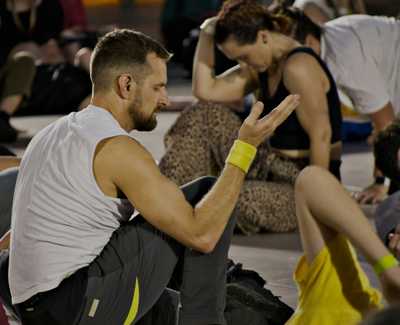
Audit class attendance, costs, timing, and member needs before changing your gym timetable. A practical framework for fair schedule decisions.

A recovery space earns its place through paid use and repeat visits. Here's how to test demand, price the offer, and calculate what it needs to cover.

Practical ideas for gym owners, studio managers, and head coaches dealing with staffing, class delivery, retention, and the daily work of running a gym.
No-fluff insights for fitness business leaders. 5 minutes. Actionable.
Join 500+ gym owners. Unsubscribe anytime.