
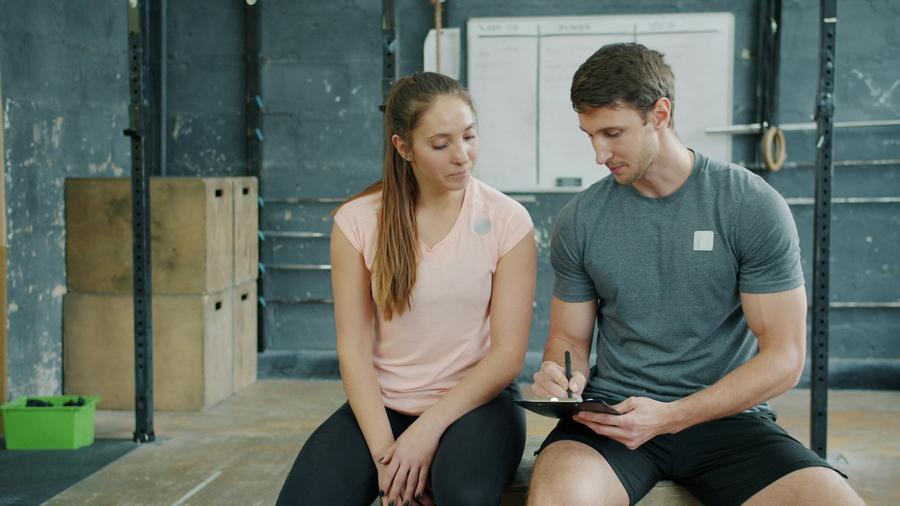
An annual conversation is a weak basis for evaluating a coach if nobody has observed their classes or recorded what happened.
A rubric, repeated observation, and specific follow-up make evaluation easier to explain and act on. Treat the framework below as a starting process to adapt, not a validated test of coach quality.
Why observations matter
An annual review based on memory can give too much weight to recent interactions. You end up reviewing your general impression of a coach, not their actual delivery. Likeability and a recent disagreement can color that impression. Recorded observations give you something more concrete to discuss.
The other failure mode is skipping it entirely. “I can tell when a coach is good” is true up to a point. But without a consistent framework, you’re making staffing decisions on gut feel, and you’ll miss slow declines until they’ve already cost you members.
Build a rubric first
Before you observe anyone, write down what “good” looks like in your gym. The criteria should reflect your specific format and culture, but most group fitness operations need to assess five areas:
1. Technical delivery
- Does the coach cue movement accurately?
- Are corrections timely and effective (not ignored, not constant)?
- Do they adapt cues when members aren’t getting it?
2. Class management
- Does the session start and end on time?
- Is the energy level appropriate for the format?
- Does the coach control the room without controlling every moment?
3. Member connection
- Do they know names? Regular members, not just their favorites.
- Do they notice who’s new, who’s struggling, who’s killing it?
- Is the post-class interaction genuine or a routine?
4. Programming execution
- Are they following the intended plan or ad-libbing?
- If they modify, are modifications intentional and communicated?
- Do they understand the “why” behind the session structure?
5. Professionalism
- Are they there early enough to set up and greet arrivals?
- Do they handle late joiners, equipment issues, or complaints without drama?
- Do they represent the brand in the way you’d want?
Score each area from 1 to 5, for a maximum of 25. Define anchors before observing:
| Score | What it means |
|---|---|
| 1 | The expected behavior was absent or a serious concern needs attention |
| 3 | The coach met the standard with occasional prompts or missed opportunities |
| 5 | The coach met the standard consistently and adapted appropriately |
Use 2 and 4 for performance between anchors. Record a concrete example beside each score. If a criterion wasn’t observable, mark it unobserved rather than awarding an assumed score. Calibrate sample observations with other evaluators before comparing totals.
Two types of observations
Once you have a rubric, build in two observation types per coach per year:
Planned observations The coach knows you’re watching. These are useful for evaluating how a coach performs when they’re prepared. It removes the “caught off guard” variable and sets a fair baseline. Give them notice, observe a full session, score the rubric, debrief within 48 hours.
Unplanned drop-ins You show up at a random class, sit in the back, score the rubric. Don’t announce it in advance. A difference between planned and unplanned scores is a prompt to investigate workload, class mix, and consistency. It doesn’t establish a performance problem on its own.
Two observations can begin the process, but they are a small sample. Observe again when evidence is mixed, a coach is new, or a concern remains unresolved. Tell staff how observations work before starting the process, even when individual drop-ins are not announced.
The debrief conversation
Use the debrief to connect observed behavior with the next step:
Lead with specifics, not impressions. “Your energy was great” is useless. “You greeted four members by name in the first two minutes and transitioned from the warm-up without losing the room” is actionable information. Same on the critical side: “Some of your cues weren’t landing” versus “Three members could not see the hinge demonstration from behind the equipment; move the demo into their sightline next time.”
Make it a two-way conversation. Ask what they thought went well and where they felt the session stall. Good coaches will often identify the same issues you saw. When they don’t, you’ll learn something about their self-awareness.
Agree on one or two specific things to improve. Choose one or two observable changes and a timeline. Then check in on those specifically at the next observation.
What to do with low scores
Interpret scores alongside the recorded behavior. An isolated safety concern can require immediate action even when the total score is high.
You might choose 15/25 as a review trigger, but it is an example management rule, not a validated cutoff. Set a follow-up date that matches the concern; do not wait 60-90 days to address unsafe delivery. Confirm that the coach understands the rubric and has the support needed to meet it.
If technical delivery remains weak across repeated observations, investigate the skill, training, workload, and equipment issues involved. That’s a training conversation, not necessarily a termination conversation. Pair them with a stronger coach. Invest in a specific credential. Use supervised practice and assign only sessions they can deliver safely while they develop.
For persistent conduct concerns, record the specific behavior, explain the expectation, and use your established employment process.
Set standards at hire, not after
An evaluation can feel unfair when a long-serving coach hasn’t been told what you expect. Explain the standard before scoring against it.
Introduce the process early. When you bring a new coach on, give them the rubric on day one. Tell them you do planned and unplanned observations. Tell them what scores mean. None of this should be a surprise at evaluation time.
For existing coaches, frame the introduction honestly: you’re formalizing a process that’s going to help everyone get better. Treat the first round as a development exercise and follow through with practical support.
A note on frequency
Two formal observations per year is a starting schedule to adapt. For a small team, budget time for a quarterly drop-in per coach if the roster allows it. For larger teams, prioritize your newest coaches and anyone showing signs of decline.
The informal conversations matter too. Walking the floor during classes, asking for feedback from members, watching how coaches interact before and after sessions. Formal evaluation confirms what you’re already seeing, or surfaces what you’re missing.
Build it once, use it consistently
Use the same rubric and process across the team so coaches know what to expect and can understand their feedback.
Consistency is what makes the data useful. When a coach improves their connection score from a 3 to a 5 over two cycles, you can see it and recognize it. When someone’s technical delivery starts slipping, you catch it early. You can’t do either if you’re reinventing the process every time.
Coach evaluations and schedule decisions are closely connected - if a class is underperforming, it’s worth knowing whether the issue is timing or delivery. The group fitness schedule audit walks through how to tell the difference, and How to Diagnose a Dying Class is the three-variable framework for when you already know something’s wrong. For a deeper look at why instruction quality is the product, The Workout Isn’t the Product. The Instruction Is. picks up where the rubric leaves off. And if you’re evaluating coaches in strength formats specifically, what makes group strength classes actually build members outlines the coaching competencies that are different from cardio or mixed formats.