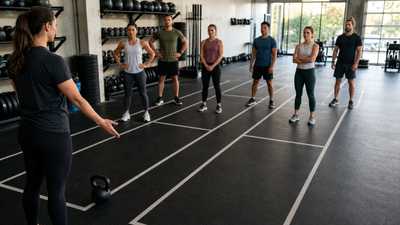
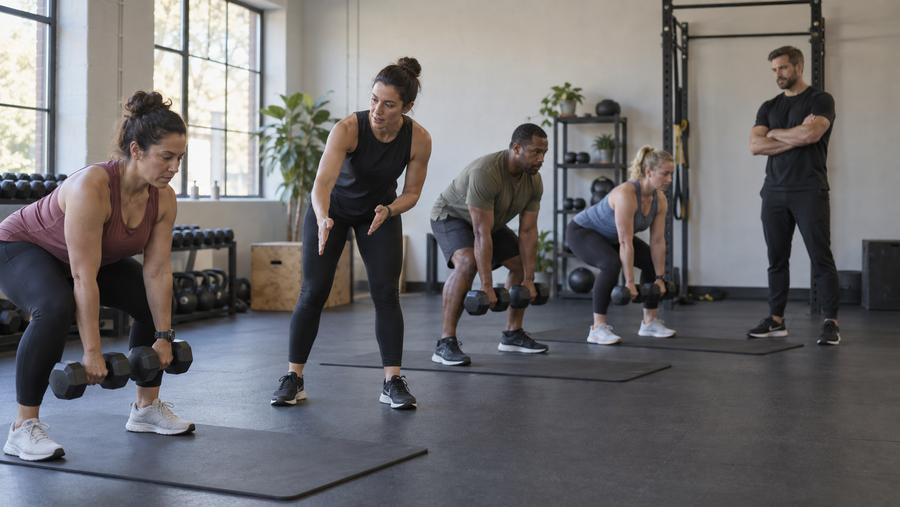
When a head coach watches a class, the working coach knows it. Members may notice too. The follow-up conversation can easily become a verdict on the instructor, even when the problem started with the room or the session plan.
Observation can help a team improve delivery, but only if it captures the class the coach was asked to run. A polished cue is not much use if members cannot find their first station. A late start might reflect a coach who over-explains, or a timetable that gives them no chance to reset the equipment. The observer has to separate those things before offering feedback.
Keep the visit narrow. Watch a normal session and record what members actually have to do. Afterward, agree on one change the coach or operator can test next time.
Tell the coach what you are watching
A surprise visit may show how a coach works under pressure, but it also makes the observer’s purpose unclear. For routine development, tell the coach which part of delivery you want to examine and when the conversation will happen. You do not need to script the class in advance.
This is different from a formal coach evaluation, which needs stated standards, comparable observations and an employment process when performance is at issue. Use the developmental visit to understand a class-delivery problem with the coach, not to create an unofficial score that follows them into a later review.
Choose a focus that matters to members: the opening, a movement explanation, the first transition, or how the coach supports someone new to the format. If this is a formal performance process, say so and follow the facility’s staff procedure. Do not disguise an assessment as a casual coaching visit.
The brief can be plain: “I am watching the start and the move into the first work block. After class, we will compare what was planned with what members could follow.” That gives the coach a fair frame without prescribing every word.
A clear class start point is one useful observation target. Watch whether members know where to put their belongings, where to stand, what equipment to collect and what the first task is before the timer begins. Those are visible outcomes, not a judgment about the coach’s personality.
Watch the member route, not just the microphone
Stand where you can see the coach and the people furthest from them. Stay out of the coach’s working lane and do not become an extra instructor unless there is an immediate issue that requires intervention. If you step in, record that fact: the session no longer shows what one coach could deliver alone.
Make brief notes about sequence and response. Suppose the coach names the first station. Two members move there while three wait beside the equipment rack, and the coach repeats the instruction after the timer starts. That tells you more than “instructions unclear.” You can check afterward whether the problem was the cue, the room layout or the station marker.
Observe a few moments where the class has to make a choice:
- At entry, can a first-timer identify where to begin without following a regular member?
- During a demonstration, can people at the back see and hear the action they need to take?
- At a transition, do members move where the plan expects, or do they queue, search or ask the same question?
- When the coach gives an approved option, can the member use it without losing track of the group?
Do not turn these into a universal score. A quiet strength class and a fast-moving circuit place different demands on the coach. A useful observation tests the promises and constraints of that format.
Practical group class capacity matters here as well. If the coach cannot see a technical station from the position needed to run the timer, the observation may reveal a room-plan problem rather than a coach who needs to “scan more.” Check the floor plan and staffing assumption before assigning ownership.
Separate what happened from why you think it happened
Notes should distinguish an observable event from an interpretation. “The first transition took longer than the programmed break” is an observation if you checked the plan and the clock. “The coach lacked urgency” is an interpretation. It may be wrong.
After class, ask the coach what they expected at the moment you noted, then compare their account with what you saw. They may tell you that a station was unavailable, that a member needed an approved alternative, or that the session brief changed before they arrived. You do not have to accept every explanation. You do need enough context to make a fair decision.
The note could be as short as this:
Focus: First transition in the strength circuit.
Seen: Two groups reached the same bench while the third group waited for dumbbells.
Coach’s account: The planned station order was changed when one bench was taken out of use.
Next test: Site lead checks the alternate layout before the next session; coach gives the revised starting positions in the opening brief.
In this example, coaching and operations both have a job. The coach can make the opening clearer, but the owner of the layout must fix the collision. An equipment contingency plan should already identify which changes a coach can make and which need a site decision. Observation is one way to see whether that plan survives a real class.
Give feedback the next shift can use
Discuss the observation soon enough that both people remember the sequence. Avoid a long list of minor corrections. Start with the agreed focus, describe one or two moments, and ask what the coach noticed. Then choose a change with a named owner and a point at which you will check it again.
If the issue is a coaching behavior, practice it. A coach who gave three instructions while members were moving may benefit from rehearsing a shorter first cue and placing the detail at the station. If the issue is the room, do not send the coach away with “communicate better” while the equipment remains in the wrong place.
The two-minute class debrief serves a different purpose. It catches routine friction while it is fresh. A scheduled observation gives a head coach time to examine one pattern in context and work through it with the instructor. Keep the records connected so that repeat debrief notes can suggest what to observe next, without treating one observed session as proof of a general performance problem.
New coaches need this especially clearly. A new coach’s first ten shifts should give them expectations for the class, room and decision boundaries before they are observed against those standards. Otherwise the observation measures how well they guessed the local rules.
Check whether the change held
Return to the same moment in a comparable session. Attendance, member familiarity and equipment availability can change the result, so note those conditions rather than declaring success after one smoother class. Did people find the first station? Did the transition fit the plan? Did the coach have enough attention left for coaching once the room was moving?
If the issue remains, change the hypothesis. The instruction may be fine and the station may still be hidden from view. Or the layout may be sound until the room reaches its usual peak attendance. A short follow-up beats collecting observation forms that nobody revisits.
Write down the agreed change and its owner. At the next comparable session, watch the same part of the class. If the bench collision is still there, another round of feedback about the coach’s opening will not fix it.